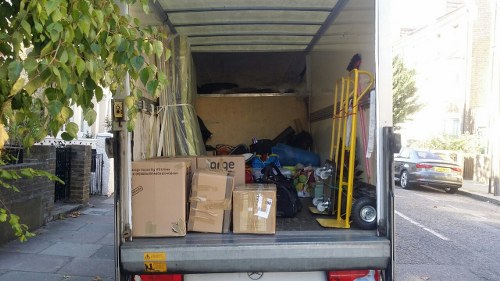
Health and Safety Policy — Commercial Waste Knightsbridge
Commercial Waste Knightsbridge is committed to protecting the health, safety and welfare of all employees, contractors and members of the public affected by our operations. This policy sets out our approach to safe management of commercial waste and commercial rubbish collection in and around the service area. The purpose is to provide clear responsibilities, practical controls and continuous improvement to reduce risk while delivering reliable waste removal services.Scope and Objectives
This policy applies to all activities conducted under the banner of Knightsbridge commercial waste operations including collection, transportation, handling, storage and disposal of commercial waste and recyclable materials. Our objectives include preventing workplace injuries, controlling exposure to hazardous substances, ensuring safe vehicle operations and maintaining compliance with regulatory requirements relevant to waste management activities. Safety comes first in every contract we undertake.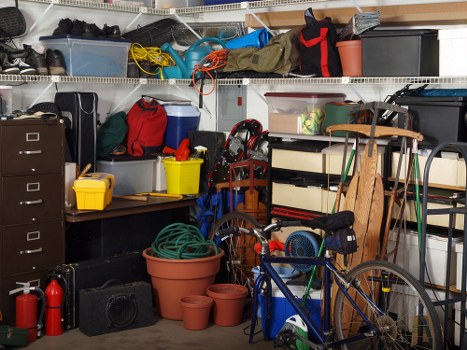
Leadership and Responsibilities
Management will provide leadership and resources to implement this health and safety policy. Managers and supervisors are responsible for implementing risk assessments, assigning competent personnel and ensuring safe systems of work for commercial waste disposal Knightsbridge contracts. All staff must follow safe working procedures, report hazards and participate in training. Contractors and temporary workers are required to comply with company safety standards and must be assessed before undertaking work.Risk Assessment and Control Measures
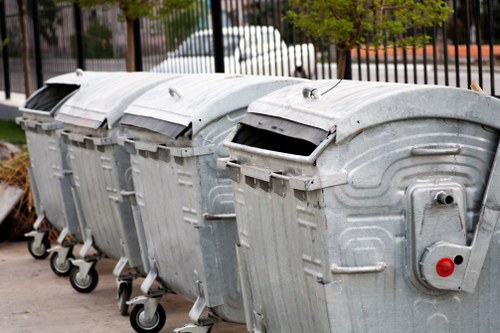
We undertake systematic risk assessments for every regular route, site visit and special collection. Controls include segregation of waste streams, use of appropriate lifting techniques, mechanical aids for bulky collections and procedures to isolate live systems where necessary. For commercial rubbish Knightsbridge collections, we ensure bins and containers are assessed for stability and condition prior to handling.Personal protective equipment (PPE) is provided and maintained; typical requirements include gloves, high-visibility clothing, safety footwear and eye protection where risk is identified. Vehicle checks, load security and safe manual handling are core measures for rubbish removal Knightsbridge operations. Maintenance schedules and pre-shift checks reduce mechanical and transport-related hazards.
Hazardous Waste and Special Materials
When dealing with hazardous or controlled wastes we use documented procedures to identify, segregate, package and transport materials safely. Staff receive specific training for handling hazardous substances, spill response and emergency containment. Records of waste streams, labels and manifests are maintained to support safe transfer and compliant disposal of regulated commercial waste.Site Safety and Storage
Storage areas at customer premises and transfer points will be assessed for access, ventilation and secure containment. Bins and skip locations must not obstruct pedestrian routes or emergency exits; we advise on safe siting and, where needed, implement physical controls to prevent inadvertent tipping or contamination. Segregation of recyclables from general rubbish is encouraged to reduce environmental risk and improve recovery rates.Safe working practices for all staff include:
- Carry out a dynamic risk assessment before each task
- Use mechanical aids for heavy or awkward loads
- Follow vehicle loading and securement procedures
- Adopt correct PPE for the task and material type
- Report near misses and hazards immediately
Regular site inspections and toolbox talks reinforce these practices and ensure that waste management Knightsbridge operations are performed consistently and safely.
![A young woman with dark hair tied back, smiling and holding a blue recycling bin filled with empty glass bottles, is standing in a kitchen overlooking a countertop with a stainless steel sink and faucet. Behind her, a man with dark hair and a light purple shirt, holding a green recycling bin with a recycling symbol, stands slightly out of focus near wooden shelves and a basket. The kitchen features neutral tones, with a beige curtain or wall cover in the background. The scene appears well-lit, emphasizing the environmentally conscious activity of discarding recyclable glass containers, aligning with rubbish removal services provided by Commercial Waste Knightsbridge near central London, such as the [POSTCODE] area.](/pub/_photos/rubbish/f1286042240.jpg)
Monitoring, Incident Reporting and Investigation
We maintain a clear incident reporting system to ensure all injuries, near misses and unsafe conditions are recorded and investigated. Investigations identify root causes and lead to corrective actions to prevent recurrence. Performance monitoring includes audits, scheduled inspections and review of key safety indicators related to collections, vehicle operations and manual handling.Emergency preparedness covers first aid provision, spill response and fire safety measures at depots and during on-site operations. Staff receive training in emergency response and are familiar with assembly points and communication protocols. Spill kits and containment equipment are available on applicable vehicles to manage accidental releases swiftly and safely.